
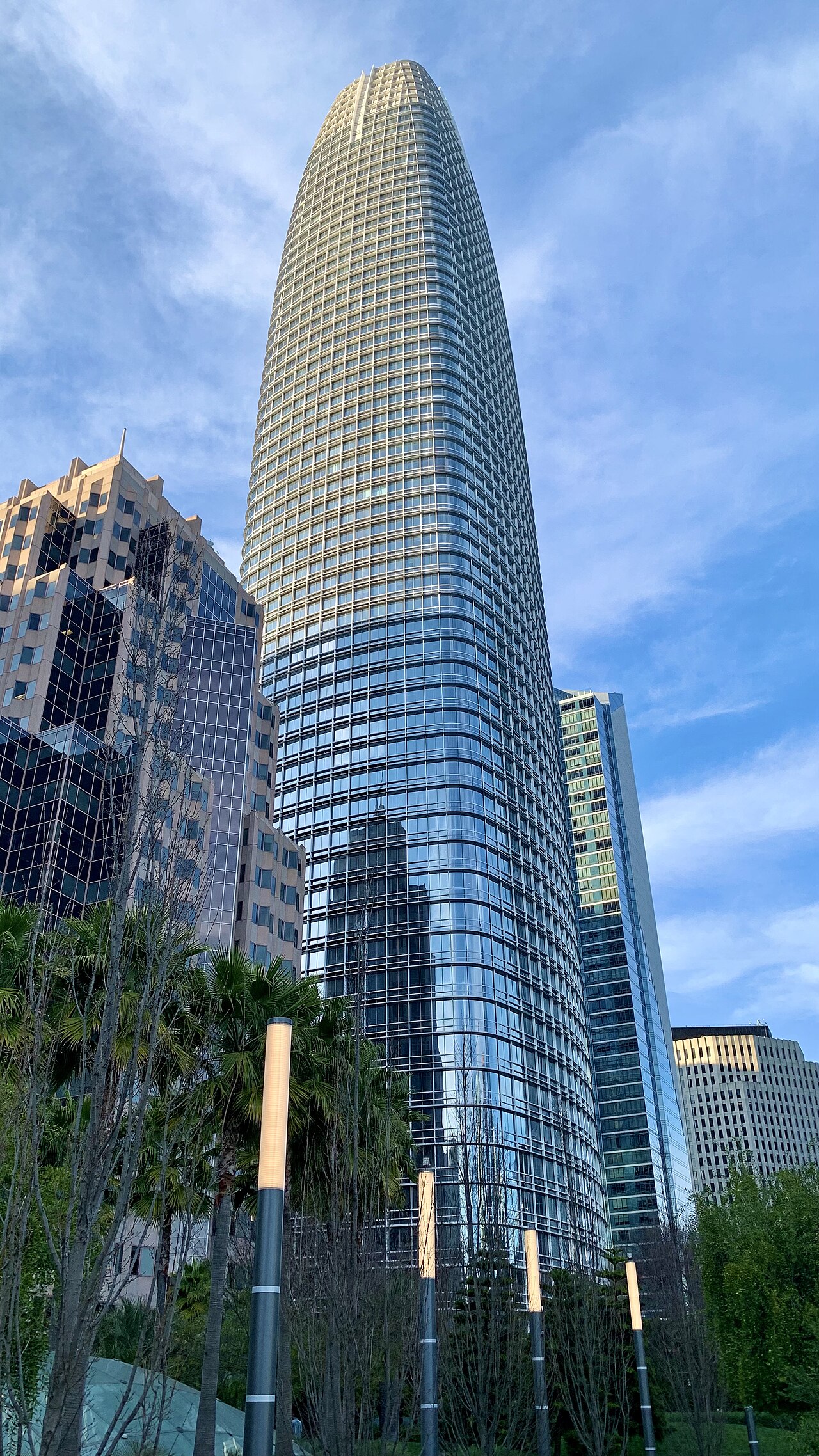
The U.S. Army awarded Salesforce a $5.6 billion, 10-year Indefinite Delivery Indefinite Quantity (IDIQ) contract on January 26, 2026 — the largest enterprise software contract ever awarded to a commercial SaaS company by the Department of Defense. The deal is executed through Computable Insights LLC, a wholly-owned Salesforce subsidiary dedicated to national security work. Reporting from DefenseScoop and Washington Technology covered the structure.
What the contract covers
The IDIQ has a 5-year base ordering period and one 5-year option, with a $5.6B ceiling. It brings Salesforce's Data Cloud, Agentforce (the company's agentic AI layer), and Slack to the Army and the Department of War. Stated use cases include talent management, logistics coordination, readiness tracking, and recruiter operations.
Per the announcement, the deal is intended to "reduce procurement timelines from months to days, provide predictable pricing, and allow technology capacity to scale based on mission demands."
The bigger pattern
Salesforce is the second non-traditional-defense vendor in 2026 to land an enterprise vehicle north of $5B. Anduril followed in March with a $20B Lattice agreement. Both deals share three characteristics:
- Subsidiaries dedicated to federal work. Computable Insights for Salesforce, similar structures elsewhere — a pattern that suggests defense procurement is now important enough to commercial vendors to warrant separate corporate vehicles.
- Days-not-months as the procurement ask. Both contracts are explicit that buying speed is part of the value proposition.
- Agentic AI baked in. Both deals position AI agents as the differentiator, not just AI features.
What this means for small firms
Small federal SaaS vendors are now competing on terms set by Salesforce and Anduril: enterprise-grade reliability, predictable pricing, FedRAMP-equivalent compliance, and AI capabilities baked in. The bar for "small but credible" went up materially in Q1 2026.
For services firms in the Salesforce / agentic-AI implementation space: this is a lead-gen event. The Army is contractually committed to spending up to $5.6B over 10 years against this vehicle. Implementation, training, configuration, and integration work will flow into the broader ecosystem — much of it through subcontracts.