
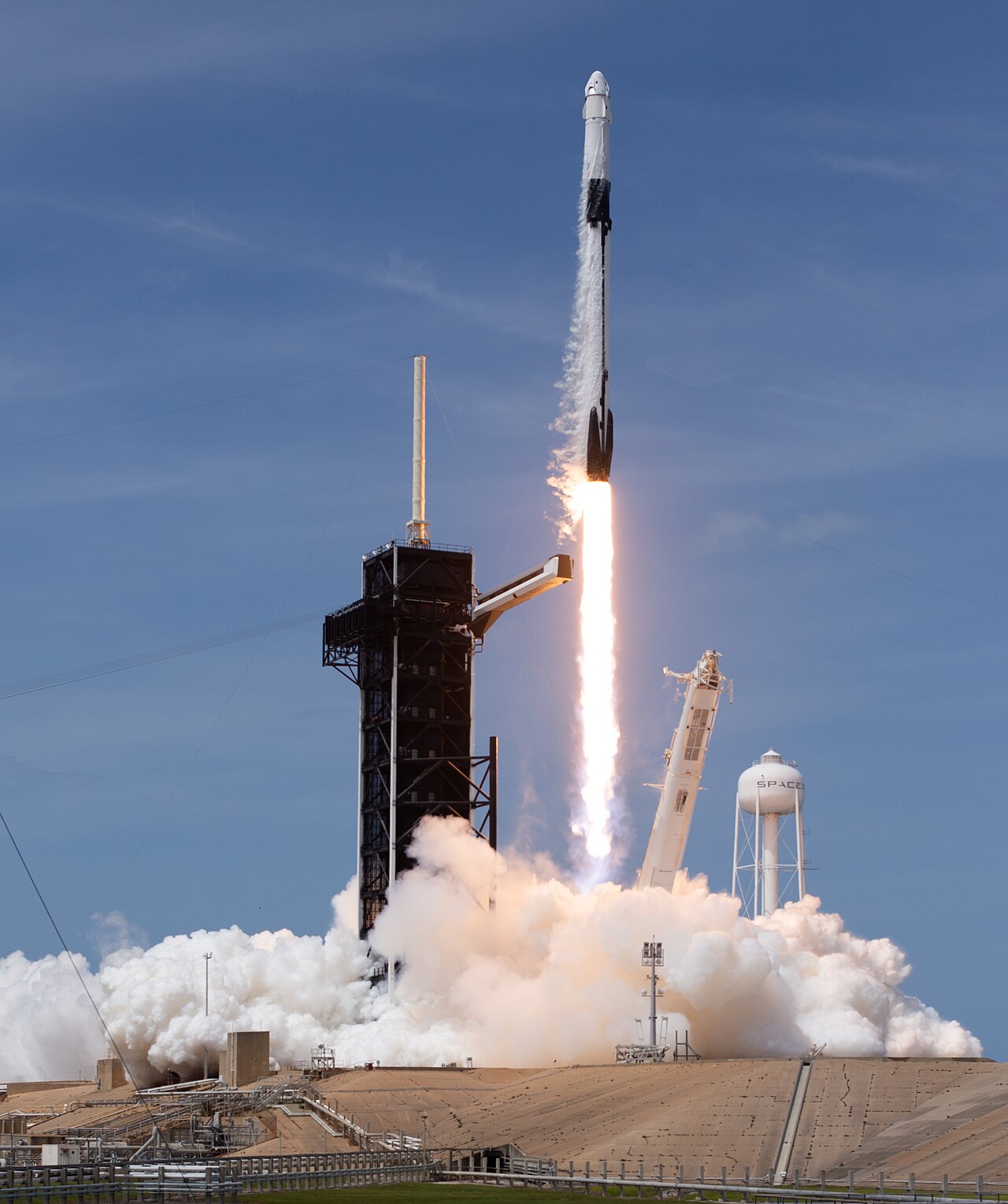
The U.S. Space Force assigned SpaceX five of seven national-security missions budgeted in FY2026, with United Launch Alliance taking the remaining two. SpaceX's $714M share includes three classified Space Force payloads (USSF-155, 149, 63), NROL-86 for the National Reconnaissance Office, and USSF-206 carrying the 12th Wideband Global Satcom. ULA's $428M share covers USSF-88 (GPS IIIF #4) and NROL-88. Coverage from SpaceNews and Air & Space Forces Magazine.
The Lane 2 context
These awards are the second round under the National Security Space Launch (NSSL) Phase 3 Lane 2 contract, which covers the Space Force's most demanding missions through FY2029. The full Lane 2 framework distributes nearly $14 billion across Blue Origin, SpaceX, and ULA, with launches scheduled FY27-FY32 — roughly 2 years of mission-integration lead time per award.
Subcontracting pipeline implications
Launch awards seed a substantial downstream ecosystem:
- Payload processing, encapsulation, and integration services
- Launch-range support (telemetry, tracking, safety)
- Satellite bus and payload-assembly subcontracts (Boeing for the WGS-12 example)
- Specialized engineering services (thermal, flight software, GNC)
Firms in the payload-and-range ecosystem should map their capabilities to the FY27-32 manifest and pursue prime-level small-business subcontracting conversations within 12 months.
Blue Origin's role
Blue Origin is part of the broader Lane 2 framework but didn't capture any of the FY2026 missions in this round. Expect fuller Blue Origin mission capture as New Glenn's operational cadence matures.