
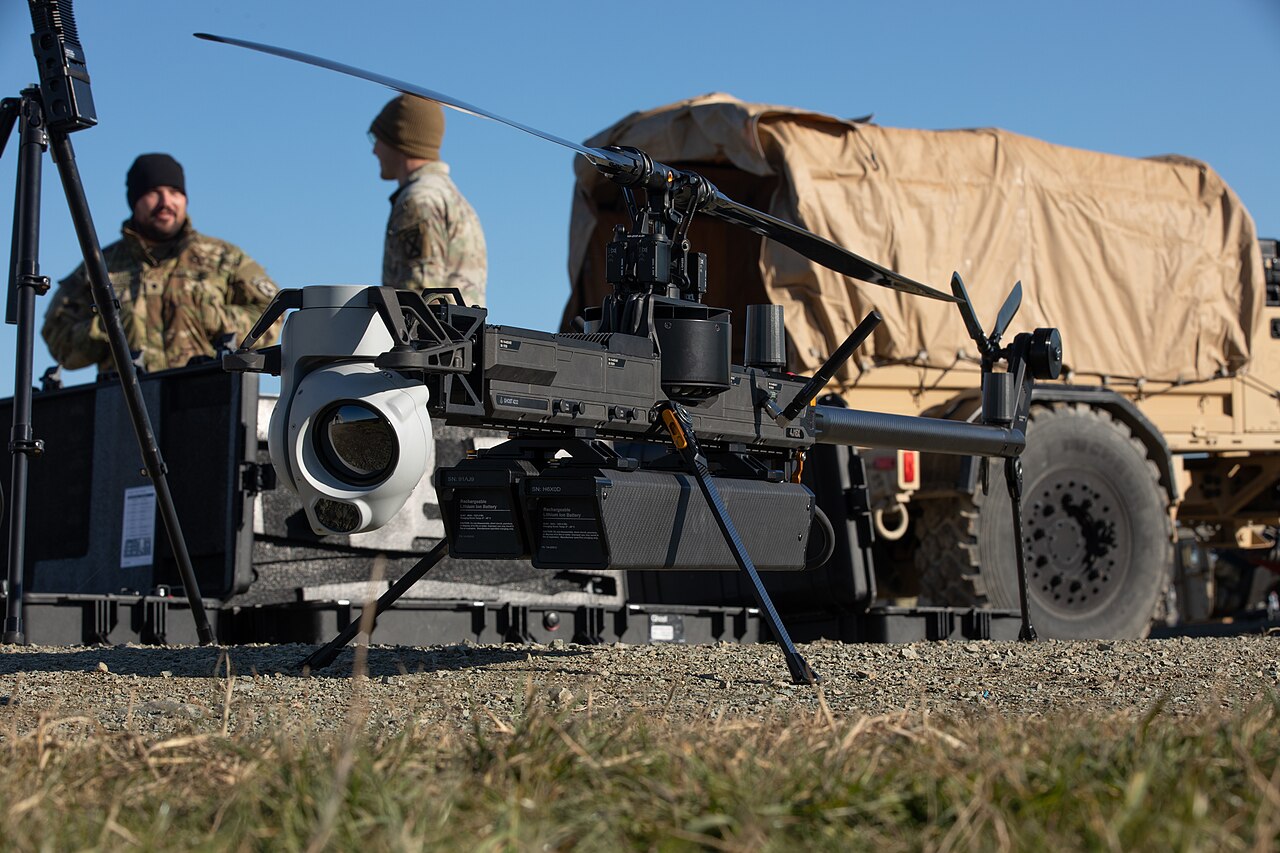
The U.S. Army has awarded Anduril Industries a single enterprise agreement with a potential ceiling of $20 billion over 10 years, consolidating roughly 120 separate procurement actions into one vehicle. The first task order — an $87 million counter-drone award — was issued the same week the deal was announced, on March 14, 2026. DefenseScoop first reported the structure.
What's actually in the contract
It's a five-year base period with a five-year option. The vehicle is built around Anduril's Lattice operating system — an open-architecture software layer that fuses sensor data, command-and-control, and autonomy. Initial focus: counter-unmanned-aerial-systems (C-UAS), an area where the Army has been buying piecemeal from dozens of vendors.
The $20B figure is a ceiling, not an obligated amount. Actual spending happens through individual task orders against the agreement.
What this signals for the market
Three things, in order of importance:
- The Pentagon is willing to write very big checks to non-traditional vendors. Anduril is now in the same enterprise-vehicle company as Salesforce, which received a $5.6 billion Army IDIQ in January 2026.
- Consolidation favors big primes — including newly-big primes. 120 contracts becoming one means 119 fewer points of entry for small competitors. Subcontracting plans become the only realistic path for most small firms.
- Open-architecture vehicles are the new shape of major awards. Lattice is "open," meaning third-party software can integrate. Small firms that build complementary capabilities — sensors, drones, edge AI, ISR analytics — should be looking at how to plug into Lattice rather than how to compete with it.
What to do this week
- If your firm builds anything in C-UAS, ISR, or autonomy: identify which Anduril task orders are likely to need subcontractors and reach out to Anduril's small-business liaison.
- Watch for similar consolidation moves at the Air Force, Navy, and Marine Corps. Where the Army goes on procurement reform, the rest tend to follow within 12–24 months.
- If you're a prime considering a Lattice integration: the cost of integrating now (while Anduril needs ecosystem partners) is far lower than after Lattice becomes the default.