
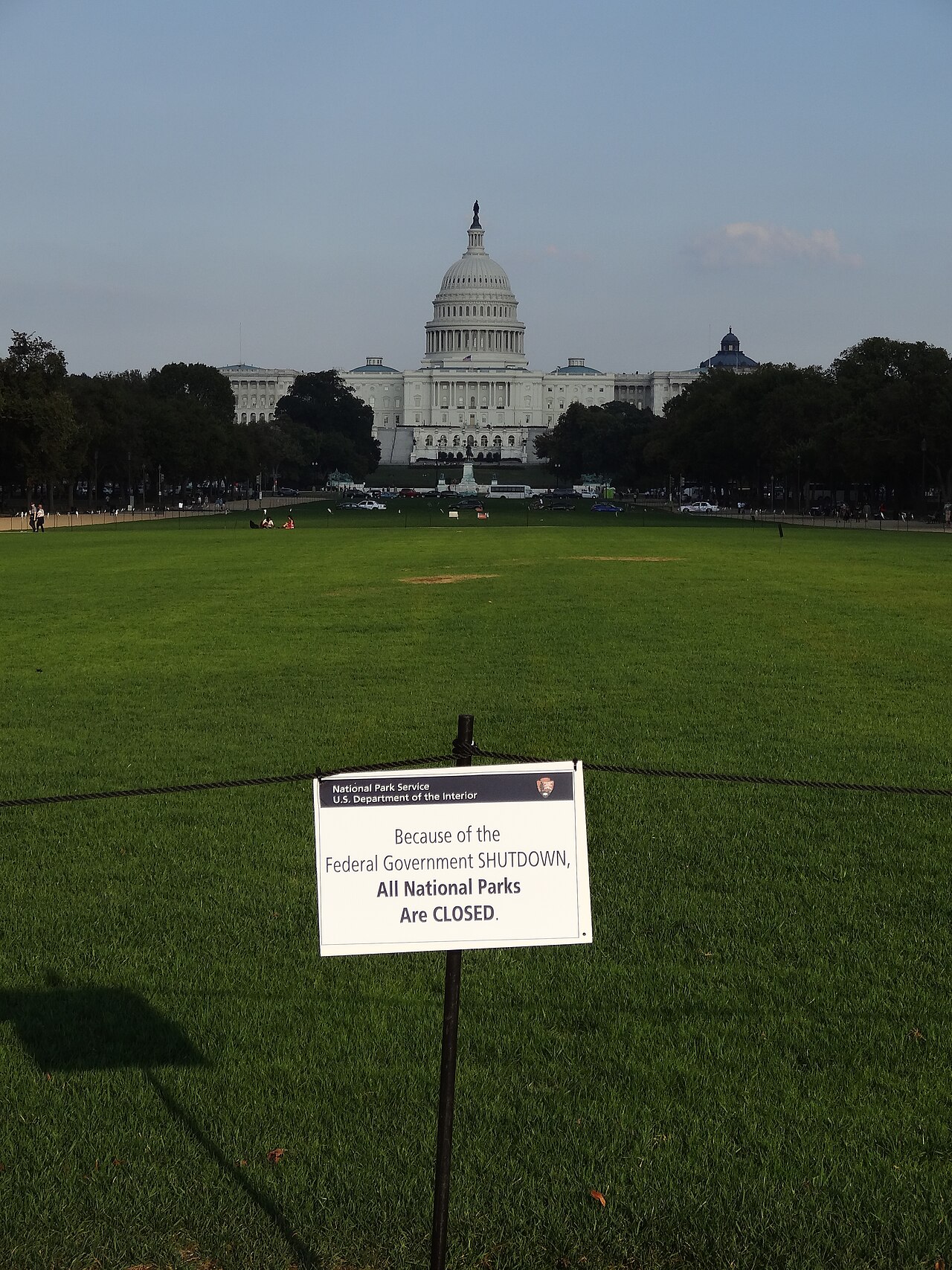
The 43-day federal government shutdown that began October 1, 2025 and ended November 12, 2025 was the longest in U.S. history. While media coverage focused on furloughed federal workers, the contracting community absorbed a different kind of damage — one whose effects continue to shape Q2 2026 procurement activity. Coverage from Military.com, Troutman Pepper Locke, and Federal News Network.
What happened to contracts during the shutdown
Per official DoD shutdown guidance, during a lapse in appropriations:
"The military cannot enter into new contracts or renew existing contracts during the shutdown, needlessly delaying the acquisition of critical capabilities for our warfighters."
Specifically prohibited (unless supporting an excepted function):
- New contract awards
- Exercise of contract options
- Issuance of task orders
- Contract extensions and modifications increasing scope or value
What contractors COULD continue: work under contracts awarded before appropriations lapsed, up to the amount already obligated, regardless of whether the work supported excepted activities.
The lingering impact
The shutdown ended in mid-November, but several effects continue to shape Q2 2026:
- Compressed FY26 procurement window. Six weeks of the fiscal year were lost to shutdown-driven freezing. Agencies normally use Q1 to issue solicitations against the new year's budget; that work compressed into Q2.
- Continuing Resolution constraint. The November CR kept DoD funding at FY25 levels — which were themselves frozen at FY24 levels by an earlier CR. Without a full budget, new military programs cannot start, multi-year contracts cannot be signed, and budget-dependent procurement has stalled.
- The January 30, 2026 CR deadline. The CR signed in November runs only to January 30, 2026, requiring another funding action. This created another procurement-uncertainty window in Q1 2026.
- Backlog at agencies. Source-selection activities that paused during the shutdown didn't simply resume — agencies have to re-validate evaluator availability, re-confirm corporate facts on offerors, and in some cases re-do ranking decisions.
What it means for contractors today
Even months later, three patterns are visible:
- Cash flow lag. Firms with contracts in payment cycles during the shutdown saw delayed invoice processing. Some firms still chasing payments two months later.
- Award timing skew. Awards that should have happened October–November shifted to January–March. The compressed timeline means tighter proposal preparation windows for current solicitations.
- Option year uncertainty. Some option exercises that should have happened during the shutdown were delayed. Contractors should confirm option-exercise status for any contract whose option year began October 1.
What to do this week
- Reconcile open invoices against payment status. Anything more than 30 days past expected payment from the shutdown era should be in active follow-up with the contracting officer.
- For contracts with options that fell during the shutdown, confirm in writing whether the option was exercised, deferred, or declined.
- Build longer proposal-preparation timelines for current solicitations. Compressed-window solicitations are common right now and burn out capture teams.
- Brief leadership: the next continuing resolution deadline matters. Plan procurement risk around any future CR cliff.
Sources
- Military.com — Post-Government Shutdown: How Record Closure Impacts Defense, National Security
- Troutman Pepper Locke — Government Contractors and the Fall 2025 Government Shutdown
- Hunton — DoW Releases Shutdown Guidance
- Air & Space Forces — Record Government Shutdown Ends
- Federal News Network — Some DoD civilians still waiting for back pay weeks after shutdown's end