
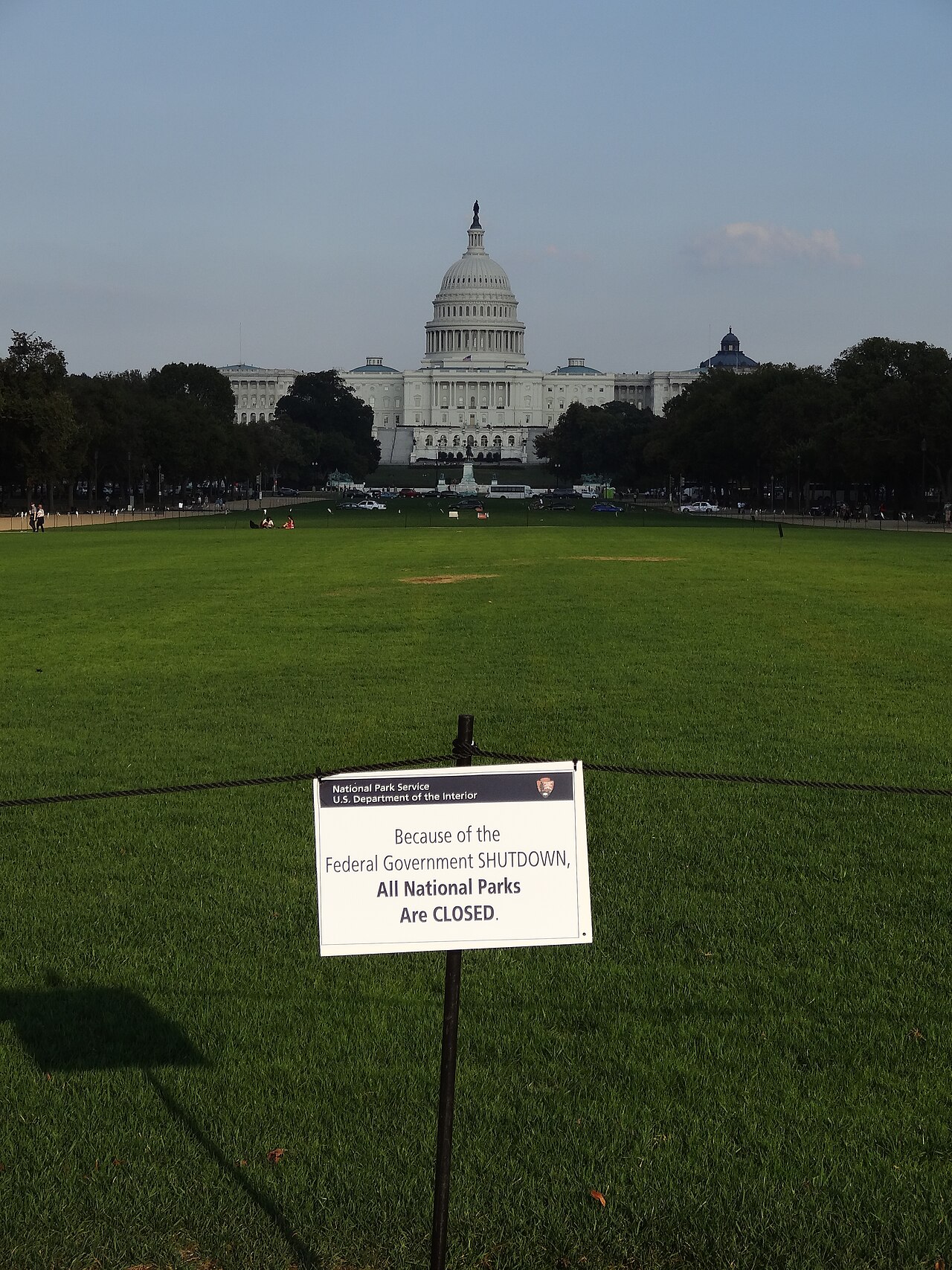
Between January and November 2025, the federal civilian workforce declined by approximately 249,000 to 271,000 workers — a roughly 9% reduction and the largest peacetime federal workforce reduction on record. The RIF moratorium that halted additional reductions during the shutdown expired January 30, 2026, with agency restructuring plans due March 13 and implementation plans due April 14, 2026. Coverage from Federal News Network and CBPP.
Where the cuts concentrated
Department-level reductions since January 2025 (partial list):
- Department of Defense: 20,000+
- Department of Agriculture: 20,000+
- Department of Treasury: 20,000+
Smaller agencies saw proportionally larger reductions — agencies with fewer than 1,000 employees often lost 15-25% of headcount.
Contractor impact — mixed
The contractor impact is more complex than "backfill with contract labor":
- Short-term demand spike. Agencies with critical mission functions and depleted workforces are issuing more services contracts to cover gaps. Contractor FTE consumption on federal work is trending up.
- Medium-term scope compression. Congress added provisions prohibiting further RIFs through the continuing-resolution period, and legislation unwound some shutdown-era mass layoffs. Future RIF rounds may be more constrained.
- Schedule Policy/Career reclassification. The return of the "Schedule F"-style reclassification (now "Schedule Policy/Career") reduces civil-service protections on affected positions. This could shift work to contract labor in some cases, or to at-will federal employees in others — agency-specific outcomes.
What agencies are tendering
Patterns emerging in post-RIF procurement:
- Short-duration bridge contracts (6-12 months) while permanent capacity is rebuilt
- T&M task orders against existing IDIQs (Alliant 2, OASIS+, T4NG2)
- Outsourcing of back-office functions (HR, IT help desk, administrative services)
What to do this week
- If you're on existing IDIQs, monitor eBuy for task-order volume spikes at affected agencies
- Capability statements should emphasize rapid-deployment and surge-capacity language
- Watch the April 14 implementation plan deadline — agencies may issue workload-offload RFPs immediately after