
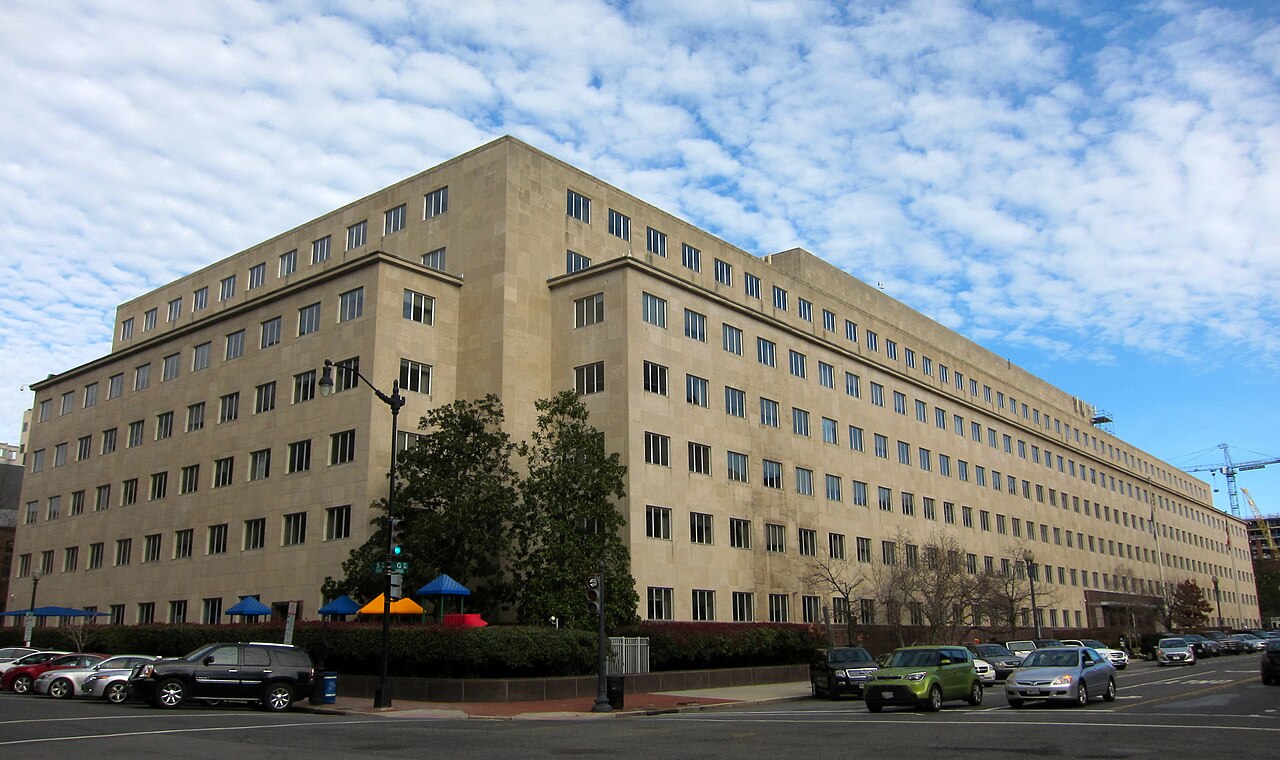
The Government Accountability Office's Annual Report to Congress for fiscal year 2025 reports that GAO sustained 14% of bid protests resolved on the merits during the fiscal year. The headline number obscures a more useful pattern for practitioners: most successful protests now cluster around three specific evaluation categories, and contractors that frame protests around those categories win materially more often than firms that don't. Reporting and analysis from GAO, Jenner & Block, and Bradley.
Where protests are succeeding
Per the FY25 annual report, the three most prevalent reasons GAO sustained protests in FY2025 were:
- Unreasonable technical evaluation. Agencies giving credit for past performance or technical capabilities the awardee didn't actually demonstrate, or applying inconsistent evaluation standards across offerors.
- Unreasonable cost or price evaluation. Agencies failing to perform required price realism analysis, or accepting prices that should have raised performance-risk concerns.
- Unreasonable rejection of proposal. Agencies eliminating offerors on grounds not supported by the solicitation, or applying procedural rejections in ways inconsistent with the evaluation criteria.
What's not on this list is just as informative: protests on agency conduct of competitive range determinations, debriefings, or organizational conflict-of-interest grounds tend to fail more often than they succeed.
What "14%" actually represents
The 14% figure is the sustain rate on protests resolved on the merits — meaning GAO actually issued a substantive decision. It excludes protests that were withdrawn, dismissed for procedural reasons, or resolved through agency corrective action before a decision.
The "effective relief rate" — combining sustained protests with cases where the agency took voluntary corrective action after the protest was filed — sits substantially higher. Per Jenner & Block's analysis of recent GAO statistics, the effective relief rate has hovered above 50% in recent years, even as raw filings have declined.
That distinction matters for the cost-benefit math. The official sustain rate sounds low. The likelihood of getting the agency to fix the procurement — through formal sustain or voluntary corrective action — is materially higher.
Notable FY25 decisions worth knowing
Per Bradley's 2025 review of the most consequential decisions:
- Documentation thresholds for evaluation. GAO continues to sustain protests where agency contemporaneous evaluation records cannot support the conclusions reached. Post-hoc rationalizations don't survive merit review.
- Small-business set-aside small-value-added. An April 2025 sustain (recent decisions list) concluded an agency failed to show it would "realize minimal or no value from a proposal exceeding the minimum requirements" in a small-business set-aside case. Implication: agencies cannot dismiss above-minimum proposals without a documented evaluation rationale.
- Insufficient documentation. The GAO sustain in Island Peer Review Organization, Inc., d/b/a IPRO, B-417298.2 (Sept. 2025) reinforced that agency evaluation files must reflect the actual evaluation done. Missing or inconsistent documentation is itself sustainable error.
Practical takeaways
If you're considering a protest after a loss:
- Your case is strongest if you can map your grievance to one of the three sustained-most categories — unreasonable technical evaluation, price evaluation, or rejection.
- Order the agency record. Evaluation documentation gaps are the single most common sustain ground; if the agency can't produce a complete evaluation file, your protest improves dramatically.
- Factor in voluntary corrective action: many "wins" come without a formal sustain decision because agencies fix procurements before GAO rules.
- Time pressure matters. Pre-award protests must be filed before proposals are due; post-award protests must be filed within 10 days of debriefing (or knowledge of grounds).
Filing trends, briefly
Total filings have declined across recent fiscal years. Possible explanations from Government Contracts Legal Forum's analysis: increasing use of agency-level protests as a faster alternative, decreased competition for some agency portfolios, and a long-term shift toward contracts where the protestable surface area is smaller (e.g., task orders against existing IDIQs).
Sources
- GAO Bid Protest Annual Report to Congress for Fiscal Year 2025
- Jenner & Block — Annual GAO Bid Protest Statistics: Filings Down but Relief Rate Steady
- Bradley — The 5 Most Important Bid Protest Decisions of 2025
- Government Contracts Legal Forum — Where Have All the Protests Gone?
- GAO — Recent Bid Protest Decisions (live list)