
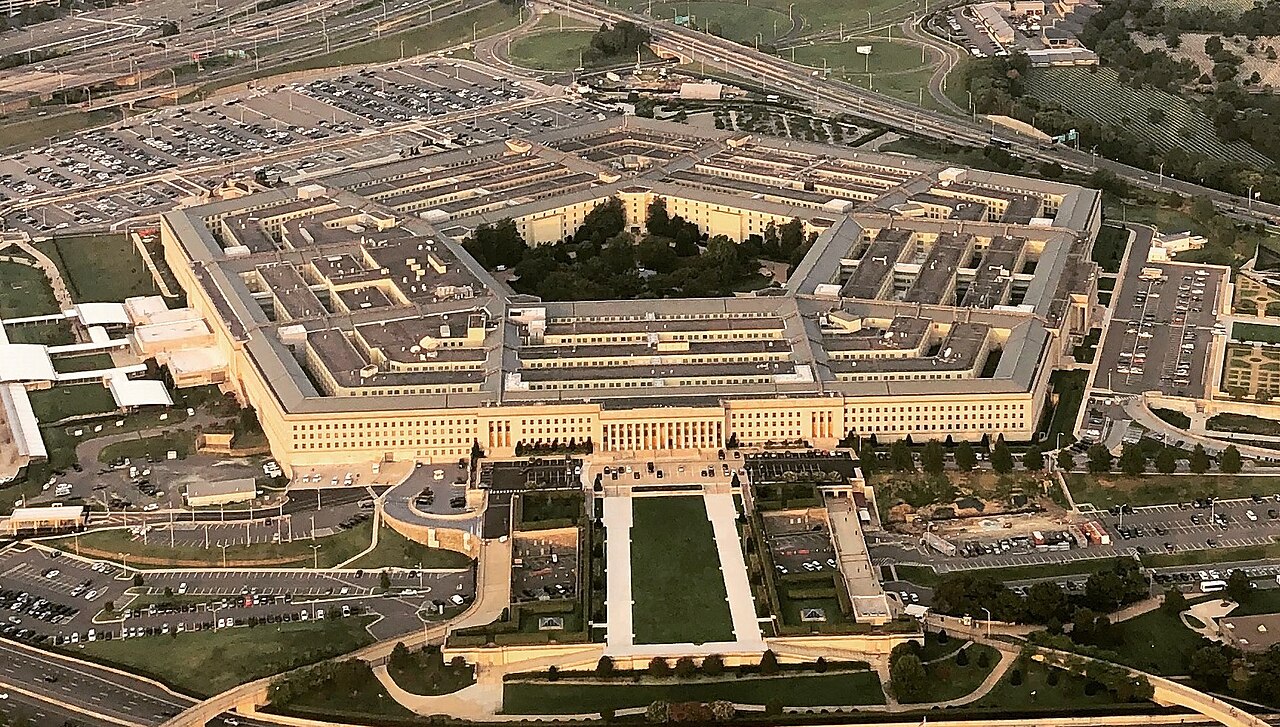
The Department of War (formerly Department of Defense) issued the largest single set of DFARS class deviations in over a decade between December 2025 and January 2026. On December 19, 2025, DoW issued 31 class deviations covering nearly every section of the regulation. A second batch of 6 deviations followed on January 24, 2026. Both took effect February 1, 2026. Coverage from Faegre Drinker and White & Case.
What a "class deviation" actually is
Class deviations are DoD's mechanism for changing how DFARS provisions are applied without going through the full federal rulemaking process. They take effect immediately, apply to a defined "class" of contracts, and remain in force until rescinded or replaced by formal rulemaking.
The volume here is unusual. 37 class deviations in five weeks signals a coordinated effort to align DFARS implementation with the broader Revolutionary FAR Overhaul taking place in parallel.
What the deviations actually do
The 37 deviations cover a wide range. By analytical-firm summary, the highest-impact themes:
- Removed non-statutory clauses. Many deviations strike clauses that DFARS imposes beyond what statute requires. Aligned with the FAR Overhaul's "principle-based" direction.
- Increased contracting officer discretion. "Shall" language replaced by "may" or "should" in numerous places. COs gain explicit flexibility on subjects that previously required deviations.
- Streamlined certification and reporting requirements. Several routine certifications eliminated or consolidated.
- Updated commercial-item rules. Reflecting the broader push toward commercial procurement under NDAA expansion.
The complication: pace of change
Per Faegre Drinker's Q1 2026 review, the rapid issuance creates real implementation risk:
"The Department of War issued 31 class deviations to the DFARS on December 19, 2025, covering nearly every section of the regulation, which took effect February 1, 2026, with a second batch of six more deviations released on January 24, 2026, also effective February 1."
Two complications worth understanding:
- Differential application across DoD components. Class deviations apply to a defined class — but components have discretion in how they implement. Air Force, Army, and Navy may apply the same deviation differently in similar solicitations.
- Existing contracts may or may not benefit. Class deviations typically apply to new contracts. Existing contracts continue under prior DFARS terms unless mod-ified.
What this means in practice
For active DoD contractors, the operational implications:
- Solicitations issued after February 1 may have meaningfully different DFARS clause sets than solicitations issued before. Don't copy clause analysis from earlier proposals — re-do it.
- Compliance documents (subcontracting plans, certifications, internal policies) may need revision to match the new clause environment.
- Clause-by-clause flowdown to subcontractors changes — review your standard subcontract templates.
- Past-performance evaluation criteria are part of the deviation set — past-performance documentation strategies may need updating.
What to do this week
- Pull the official deviation list from DoW Defense Pricing and Contracting and identify which deviations apply to your bid pipeline.
- For active solicitations: check whether the solicitation reflects pre- or post-deviation DFARS. The clause set will be different.
- Update your standard subcontract templates to match the new clause environment.
- If you have compliance counsel, schedule a 30-minute review of which deviations matter most for your specific contract types.